A أدوات المائدة المخصصة قد تبدأ الفكرة برسم تخطيطي أو عينة منتج أو مفهوم للعلامة التجارية — لكن تحويل تلك الفكرة إلى آلاف القطع المتسقة يتطلب أكثر من مجرد امتلاك القدرة الإنتاجية. وبالنسبة للعلامات التجارية والمستوردين والموزعين وتجار الجملة، فإن اختيار الخيار الصحيح مُصنِّع أدوات المائدة وفقًا لمعايير OEM يمكن أن يؤثر بشكل مباشر على جودة المنتج، والتخصيص، والتكلفة، والتسليم.
من التصميم وتطوير القوالب إلى الإنتاج الضخم، وتشطيب الأسطح، ومراقبة الجودة، كل خطوة لها أهميتها. إن فهم كيفية سير العملية يمكن أن يساعد المشترين في قطاع الأعمال بين الشركات (B2B) على اختيار شريك تصنيع قادر على تحويل طقم أدوات مائدة مخصص تحويل الأفكار إلى منتجات قابلة للتطوير وجاهزة للطرح في السوق.
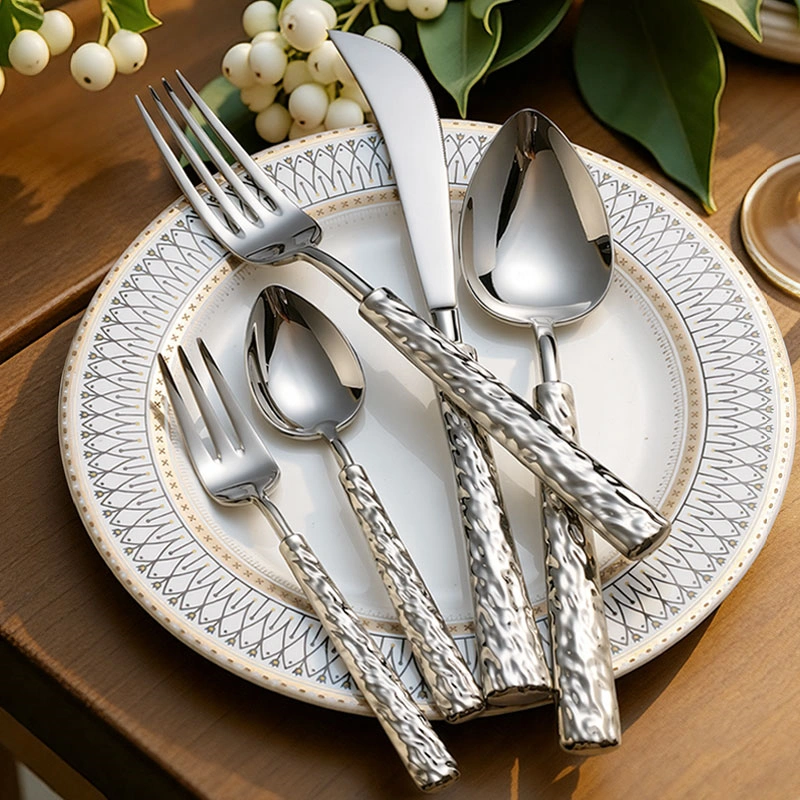
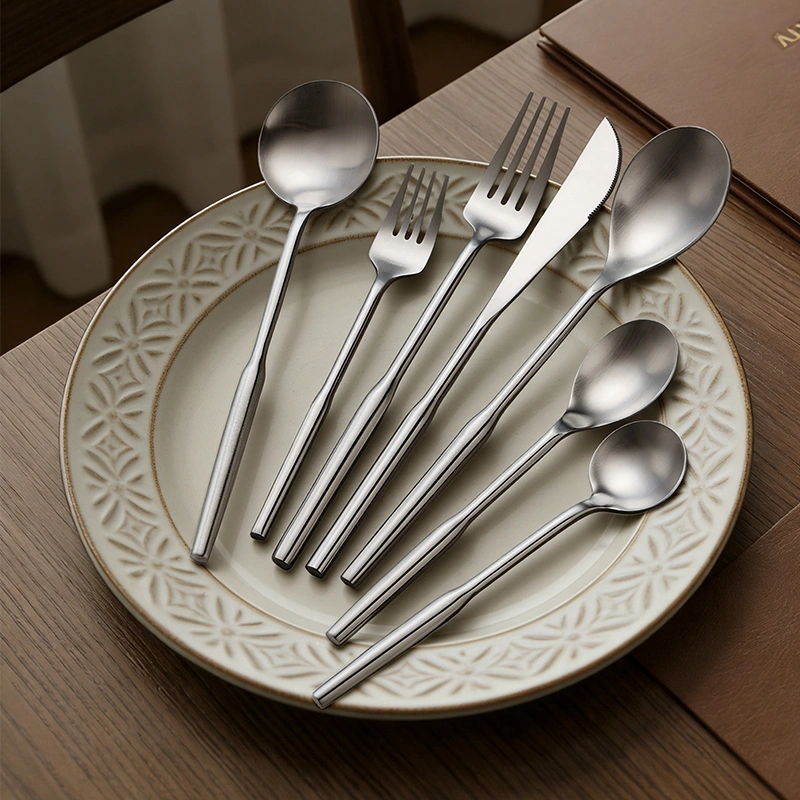
الخطوة 1: تحويل أفكار المنتجات إلى تصاميم لأدوات المائدة
يبدأ كل مشروع لتصنيع أدوات المائدة المخصصة بمتطلبات واضحة للمنتج. فقد يكون لدى مشتري منتجات خدمات التموين أسلوب معين للعلامة التجارية، أو سوق مستهدف، أو مفهوم منتج قائم يحتاج إلى تحويله إلى تصميم قابل للتصنيع.
فهم متطلبات المنتج: قد تشمل التفاصيل المهمة شكل المنتج وحجمه ودرجة الفولاذ المقاوم للصدأ وتصميم المقبض وتشطيب السطح والشعار والتغليف. وتساعد المواصفات الواضحة مصنّع أدوات المائدة الأصلي (OEM) على تقليل التعديلات ومخاطر الإنتاج.
تطوير تصاميم مخصصة لأدوات المائدة: يأخذ مصنع أدوات المائدة المتمرس الذي يعمل بنظام التصنيع الأصلي (OEM) في الاعتبار كل من المظهر وإمكانية التنفيذ من الناحية التصنيعية. وينبغي مراجعة الجوانب المتعلقة ببيئة العمل، والقوة الهيكلية، وأساليب الإنتاج، والموقع التسويقي قبل أن ينتقل التصميم إلى مرحلة الإنتاج.

الخطوة 2: تحويل تصاميم أدوات المائدة إلى قوالب جاهزة للإنتاج
رسم المنتج ليس سوى البداية. قبل الشروع في الإنتاج الضخم، يجب تحويل التصميم إلى قوالب مناسبة والتحقق من صحته من خلال العينات.
تصميم القوالب وتصنيع النماذج الأولية: تقوم الشركة المصنعة بتطوير القوالب بناءً على التصميم المعتمد وتنتج عينات لتقييمها. ويمكن للمشترين التحقق من الأبعاد والشكل والوزن والمظهر قبل الموافقة على النسخة النهائية المخصصة للإنتاج.
لماذا تُعد دقة القوالب أمرًا مهمًا: تساعد القوالب الدقيقة في الحفاظ على اتساق الأبعاد والأشكال في الطلبات الكبيرة. وهذا أمر مهم بشكل خاص للعلامات التجارية التي تحتاج إلى نفس أواني مائدة من الفولاذ المقاوم للصدأ مخصصة تصميم يضمن الحفاظ على الاتساق عبر الدفعات المستقبلية.
بالنسبة للمشترين في قطاع الأعمال بين الشركات (B2B)، يُعد تطوير القوالب داخليًّا قدرةً مهمة عند اختيار مُصنِّع أدوات المائدة وفقًا لمعايير OEM.
الخطوة 3: عملية تصنيع أدوات المائدة
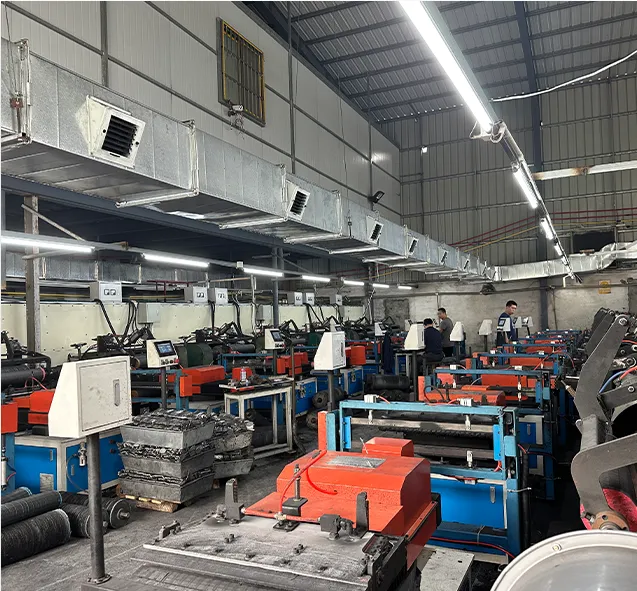
بمجرد الموافقة على العينة والقالب، ينتقل المشروع إلى مرحلة الإنتاج الضخم. في هذه المرحلة، يتم... مُصنِّع أدوات المائدة وفقًا لمعايير OEM يتعين الحفاظ على التصميم المعتمد مع زيادة حجم الإنتاج دون المساس بالاتساق.
- معالجة الفولاذ المقاوم للصدأ: تتم معالجة المواد الخام وفقًا للمواصفات المعتمدة. وتحدد عمليات التشكيل والتصنيع الحجم والوزن والهيكل النهائيين لأدوات المائدة.
- أتمتة الإنتاج: يمكن للمعدات الآلية أن تحسّن كفاءة الإنتاج وتقلل من التباينات بين الدفعات، وهو أمر مهم بشكل خاص بالنسبة للطلبات ذات الحجم الكبير والطلبات المتكررة.
- التصنيع القابل للتوسع: كفء مُصنِّع أدوات المائدة وفقًا لمعايير OEM يجب أن يكون بالإمكان الانتقال بسلاسة من مرحلة إنتاج العينات إلى مرحلة التصنيع على نطاق واسع دون إجراء تغييرات جوهرية على مواصفات المنتج المعتمدة.
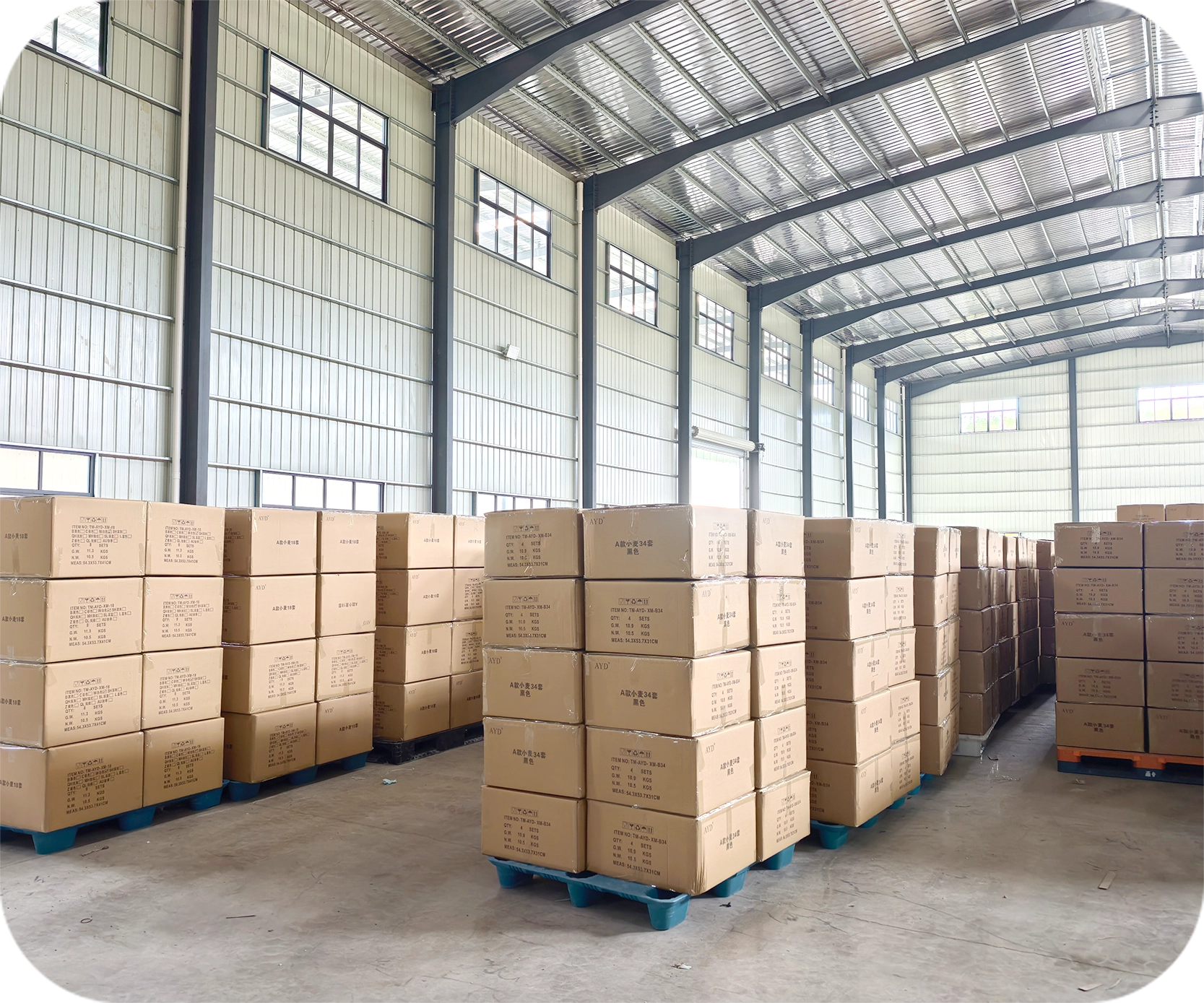
- القدرة الإنتاجية: ينبغي على المشترين في قطاع الأعمال بين الشركات (B2B) التحقق مما إذا كان المصنع يمتلك ما يكفي من المعدات وخطوط الإنتاج والقوى العاملة للتعامل مع الطلبات الحالية والزيادات المستقبلية في حجم الإنتاج.
- اتساق الدُفعات: ينبغي أن يحافظ الإنتاج على نطاق واسع على اتساق الأبعاد والأشكال وتشطيبات الأسطح وجودة المنتج الإجمالية، بدءًا من الدفعة الأولى وصولاً إلى الطلبات اللاحقة.
تشطيب الأسطح وتخصيص العلامة التجارية
بمجرد تشكيل المنتج الأساسي، تساعد المعالجة السطحية ووضع العلامة التجارية في تحويل أدوات المائدة القياسية إلى خط إنتاج متميز.
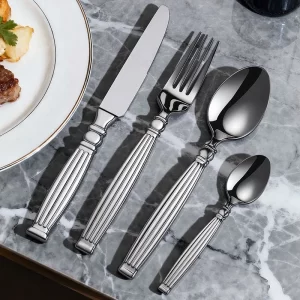
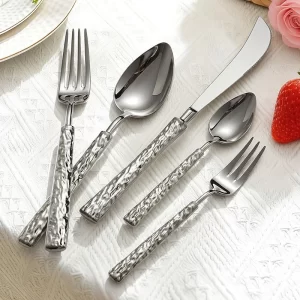
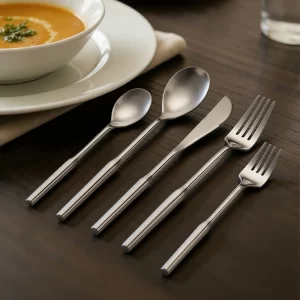
تحقيق المظهر النهائي المطلوب للسطح: يمكن أن يؤدي تلميع المرآة، والتشطيبات المصقولة، وألوان PVD، وغيرها من المعالجات إلى إحداث تأثيرات بصرية مختلفة وتحديد مواضع تسويقية متنوعة. وينبغي أن يتناسب التشطيب المختار مع تصميم المنتج والاستخدام المقصود.
تخصيص الشعار واللون والتغليف: يمكن أن يتجاوز تخصيص العلامة التجارية حدود أدوات المائدة نفسها. فمن الممكن أن تساهم الشعارات والألوان والتشطيبات والتغليف المخصصة في أدوات المائدة ذات العلامة التجارية الخاصة البرامج ومساعدة العلامات التجارية على ابتكار مجموعات مميزة.
مرن مُصنِّع أدوات المائدة وفقًا لمعايير OEM يمكن تنسيق هذه المتطلبات كجزء من عملية الإنتاج الشاملة بدلاً من التعامل معها على أنها مهام توريد منفصلة.

الخطوة 4: مراقبة الجودة قبل التسليم بالجملة
بالنسبة للطلبات الكبيرة بين الشركات (B2B)، فإن الجودة الثابتة لا تقل أهمية عن الطاقة الإنتاجية. إن الاحترافية مُصنِّع أدوات المائدة وفقًا لمعايير OEM تتطلب ضوابط جودة طوال عملية التصنيع.
فحص الجودة على ثلاث مراحل: تقوم شركة ماكالين بإجراء عمليات التفتيش في المراحل الرئيسية من عملية الإنتاج:
- اختبار المواد الخام
- فحص الإنتاج عبر الإنترنت
- فحص المنتج النهائي
ماكالين كما أنها حاصلة على شهادات SGS وTÜV Rheinland، وتستوفي المتطلبات الدولية المتعلقة بالتلامس مع الأغذية، مثل معايير إدارة الأغذية والعقاقير (FDA) وقانون الأغذية الألماني (LFGB). وتساعد هذه الأنظمة على تقليل المخاطر المتعلقة بالجودة للمشترين الذين يطلبون أواني مائدة من الفولاذ المقاوم للصدأ مخصصة بكميات كبيرة.
لماذا العمل مع مصنع أدوات مائدة أصلية (OEM) بدلاً من شراء المنتجات القياسية؟
يتطلب الانتقال من عينة واحدة معتمدة إلى الإنتاج بكميات كبيرة وجود أنظمة تصنيع مستقرة.
من العينات إلى الإنتاج بكميات كبيرة: و شركة مصنعة ذات خبرة في مجال أدوات المائدة الأصلية (OEM) يجب الالتزام بالمواصفات المعتمدة مع زيادة حجم الإنتاج. وتساعد العمليات المتسقة على التحكم في التباينات في الأبعاد والتشطيبات والمظهر العام.
لماذا تُعد القدرات التصنيعية أمرًا مهمًا: بالنسبة للمشترين في قطاع الأعمال (B2B)، فإن شركة ذات كفاءة مُصنِّع أدوات المائدة وفقًا لمعايير OEM يمكن أن توفر:
- اتساق جودة المنتج
- تخصيص مرن
- إنتاج قابل للتوسع
- إمدادات بالجملة أكثر استقرارًا
- تحسين التواصل بشأن المشاريع
ويُعد هذا الأمر ذا أهمية خاصة للموزعين والعلامات التجارية التي تتوقع تلقي طلبات متكررة وتحتاج إلى اتساق موثوق به في المنتجات.
اختيار مصنع موثوق به لأدوات المائدة من فئة OEM لعلامتك التجارية
اختيار مُصنِّع أدوات المائدة وفقًا لمعايير OEM ينبغي ألا يقتصر الأمر على مجرد مقارنة كتالوجات المنتجات وأسعار الوحدات. وبالنسبة للمشترين في قطاع الأعمال بين الشركات (B2B)، فإن تقييم القدرات الفعلية للشركة المصنعة يمكن أن يساعد في الحد من مخاطر الإنتاج ودعم تعاون أكثر استقرارًا على المدى الطويل.
| القدرة الرئيسية | ما يجب على المشترين في قطاع الأعمال بين الشركات (B2B) التحقق منه |
|---|---|
| قدرات التصميم وصناعة القوالب | هل يمكن للشركة المصنعة تطوير أشكال وقوالب إنتاج مخصصة داخليًّا؟ |
| الطاقة الإنتاجية | هل يمتلك المصنع المعدات والقدرة الإنتاجية الكافية لتلبية الطلبات الحالية والمستقبلية؟ |
| مراقبة الجودة | هل تخضع المواد الخام وعمليات الإنتاج والمنتجات النهائية لفحص منهجي؟ |
| دعم التخصيص | هل يمكن للمورد توفير أشكال وألوان وتشطيبات وشعارات وتغليفات مخصصة؟ |
| القدرة على التسليم | هل تستطيع الشركة المصنعة إدارة جداول الإنتاج وتغليف الصادرات والعمليات اللوجستية الدولية؟ |
ينبغي أن يكون الشريك الصناعي القوي قادراً على دعم المشروع في جميع هذه المجالات، بدلاً من التركيز على الإنتاج فقط. وبالنسبة للمشترين الذين يخططون لإنشاء علامات تجارية خاصة أو برامج بيع بالجملة طويلة الأجل، يمكن لهذه القدرات أن تُحدث فرقاً كبيراً في اتساق المنتجات، ومهل التسليم، واستقرار الإمدادات.
ماكאלن، شريكك في تصنيع أدوات المائدة الأصلية (OEM)
موثوق به مُصنِّع أدوات المائدة وفقًا لمعايير OEM يجب أن تقدم الشركة أكثر من مجرد القدرة الإنتاجية. بل يجب أن تمتلك الأنظمة الفنية والتصنيعية وأنظمة الجودة اللازمة لتحويل مفهوم المنتج إلى أدوات مائدة نهائية متسقة.
ماكالين ينص على ما يلي:
- إنتاج سنوي يزيد عن 60 مليون: قدرة إنتاجية واسعة النطاق لتلبية الطلبات العالمية بين الشركات (B2B).
- 127+ آلة إنتاج: مدعومة بمعدات تلميع آلية وخطوط إنتاج مؤتمتة بالكامل.
- الخبرة الداخلية في مجال القوالب والتصميم: دعم مرن للأشكال والأحجام والألوان والشعارات والتغليف المخصصة.
- ضمان الجودة على الصعيد الدولي: شهادات SGS وTÜV Rheinland، مع دعم الامتثال للمتطلبات المتعلقة بـ FDA وLFGB.
بدءًا من تطوير المنتجات وصناعة القوالب وصولاً إلى الإنتاج والتلميع والفحص والتسليم، توفر شركة ماكالين حلاً متكاملاً للعلامات التجارية والمستوردين والموزعين وتجار الجملة.
للتواصل مع مكالين لمناقشة تصميم أدوات المائدة المخصصة الخاصة بكم، ومتطلبات التصنيع حسب الطلب (OEM)، واحتياجاتكم من الإنتاج بالجملة.
الخاتمة
إن إنتاج أدوات المائدة المخصصة لا يقتصر على تصنيع المنتج النهائي فحسب. فالتصميم، وتطوير القوالب، ومعالجة الفولاذ المقاوم للصدأ، والتشطيب، ومراقبة الجودة، والتسليم، كلها عوامل تؤثر على النتيجة النهائية.
بالنسبة للمشترين في قطاع الأعمال (B2B)، فإن اختيار شركة ذات خبرة مُصنِّع أدوات المائدة وفقًا لمعايير OEM يمكن أن توفر مرونة أكبر في التخصيص، وجودة ثابتة، وإنتاجًا قابلاً للتوسع، وإمدادات أكثر موثوقية. ويمكن لشريك تصنيع قوي أن يحول مفهومًا لأدوات المائدة المصممة خصيصًا إلى خط إنتاج جاهز لتحقيق نمو طويل الأمد في السوق.