For buyers sourcing stainless steel flatware in bulk, approving a sample is an important milestone. Still, it does not always guarantee that every piece in a large production order will match the approved standard. Differences between samples and mass production can affect product appearance, customer satisfaction, and long-term brand reputation. A capable stainless steel flatware manufacturer needs to do more than produce a good sample. The key challenge is transforming that sample into a repeatable production standard that can be maintained across thousands of pieces and future repeat orders.
Why Sample Approval Does Not Always Guarantee Consistent Bulk Orders
Many buyers assume that once a sample is approved, mass production will simply replicate the same product. However, a sample is usually created under controlled conditions, while bulk production involves multiple manufacturing stages, materials, and production decisions.
Small differences can appear during large-scale manufacturing, including changes in:
- Product weight and balance
- Handle shape and dimensions
- Surface finishing
- Polishing effects
- Color appearance on coated flatware
- Packaging details
For distributors, restaurant suppliers, and private-label brands, these differences can create practical problems. A slight variation may not be noticeable in one sample, but it becomes obvious when customers compare hundreds of pieces together.
This is why experienced stainless steel flatware manufacturers focus on building a consistent production system instead of relying only on final inspection.
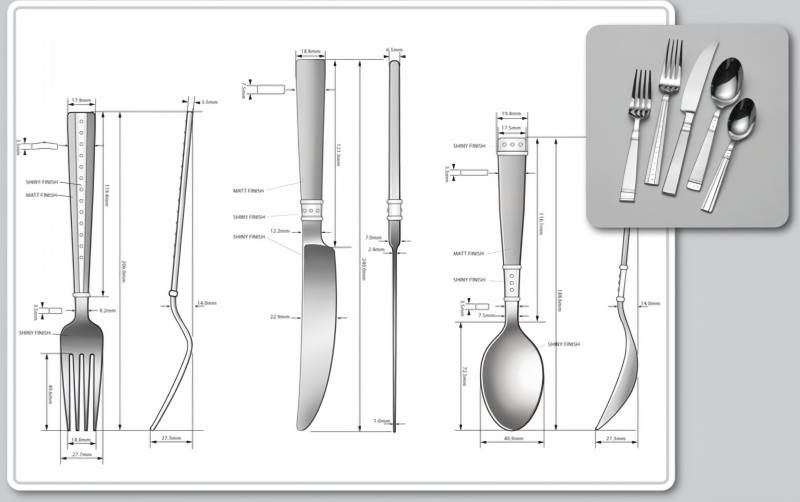
Turning a Flatware Sample Into a Repeatable Production Standard
The biggest difference between a basic supplier and an experienced manufacturer is the ability to convert a customer-approved sample into a clear production reference.
Defining Product Specifications Before Mass Production
A sample shows the final appearance, but manufacturers also need detailed production information behind that sample.
Before starting bulk production, important requirements should be clearly confirmed, such as:
- Stainless steel material requirements
- Product dimensions
- Weight expectations
- Handle design details
- Surface finish requirements
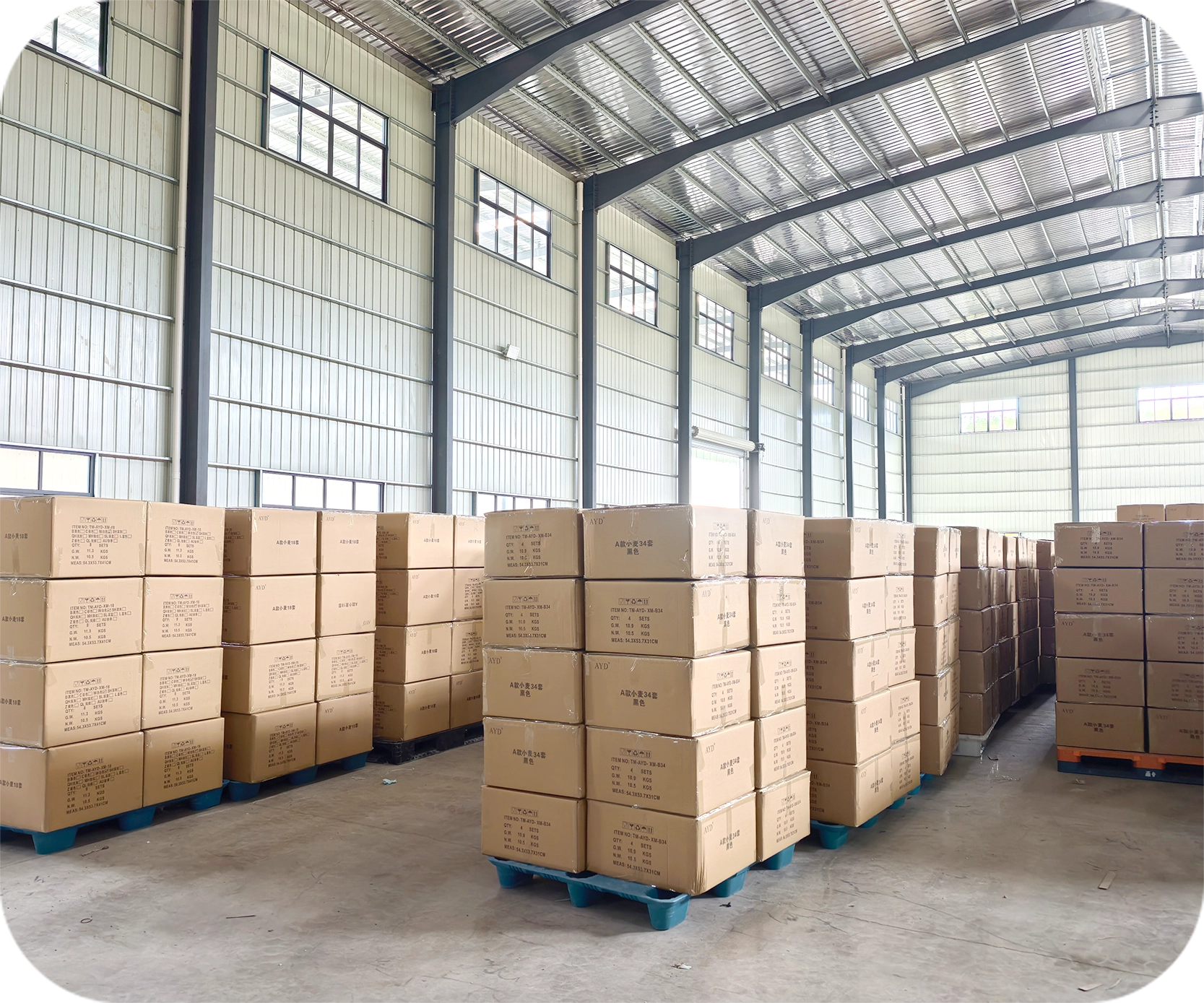
- Packaging specifications
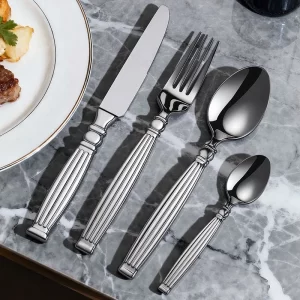
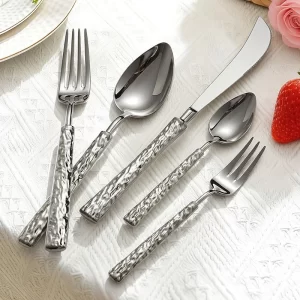
For custom stainless steel flatware projects, this step becomes even more important because small design details can influence manufacturing methods and final results.
A clear specification system helps production teams understand exactly what needs to be reproduced, reducing unnecessary adjustments during manufacturing.
Maintaining Consistency Across Production Stages
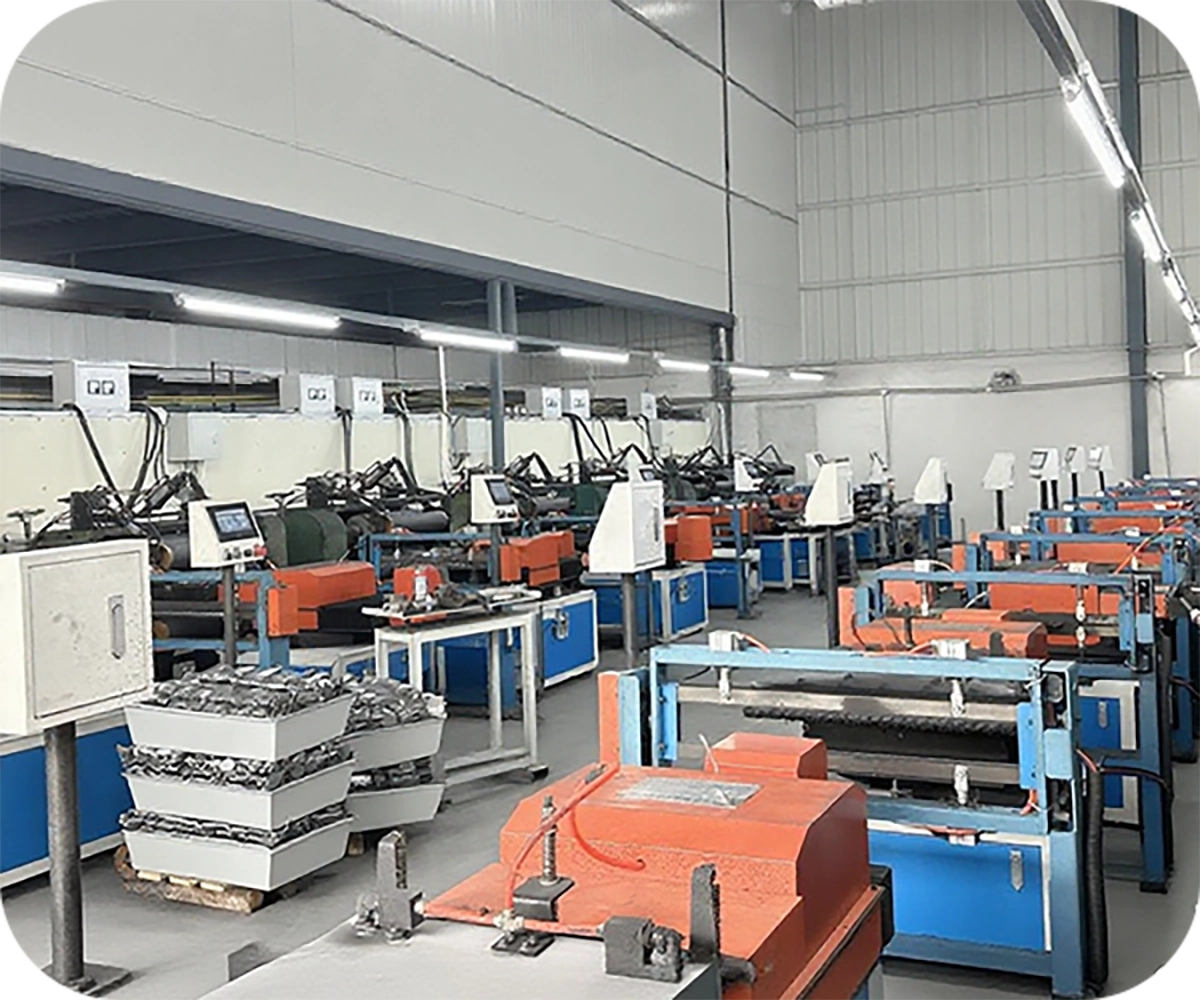
Stainless steel flatware production involves multiple steps, from shaping and forming to polishing and finishing. Each stage can influence the final product.
For example, a small difference in forming or finishing processes may affect how a handle feels in the hand or how the surface appears under light.
Professional manufacturers manage these factors by establishing production references and controlling key manufacturing steps. The goal is not simply to produce one acceptable batch, but to create a process that can deliver consistent results for future orders.
This is especially important for buyers who plan regular purchasing cycles and need the same flatware design over time.
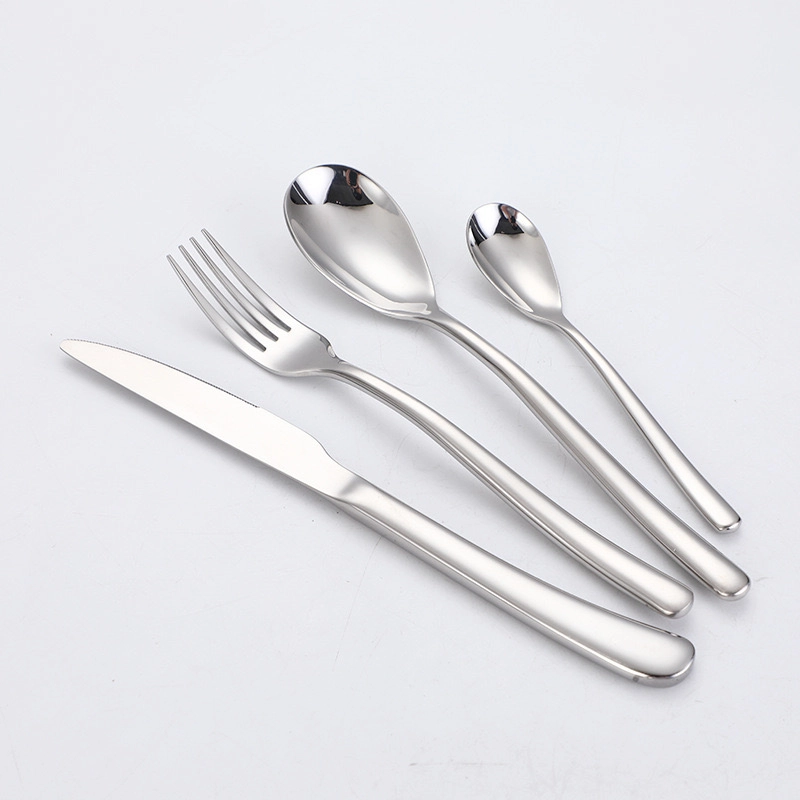

Common Reasons Why Bulk Flatware Orders May Differ From Samples
Understanding potential causes of variation helps buyers evaluate manufacturers more effectively.
Material and Production Batch Differences
Even when the same stainless steel grade is selected, manufacturers must manage raw materials and production conditions to maintain consistent results. A reliable manufacturer should have clear material requirements and production standards to reduce unnecessary variation between batches.
Surface Finishing Differences
The finishing process has a major impact on the appearance of stainless steel flatware. Polished, matte, brushed, or coated finishes require careful control to achieve a consistent look. This is particularly important for products with decorative finishes, where differences between production batches can be easier to notice.
Design Adjustments During Production
Sometimes a design that looks suitable in a sample stage may require small adjustments during mass production due to manufacturing considerations.
An experienced manufacturer should communicate these factors with buyers instead of making changes without approval. Good communication between buyers and manufacturers helps balance design expectations with practical production requirements.
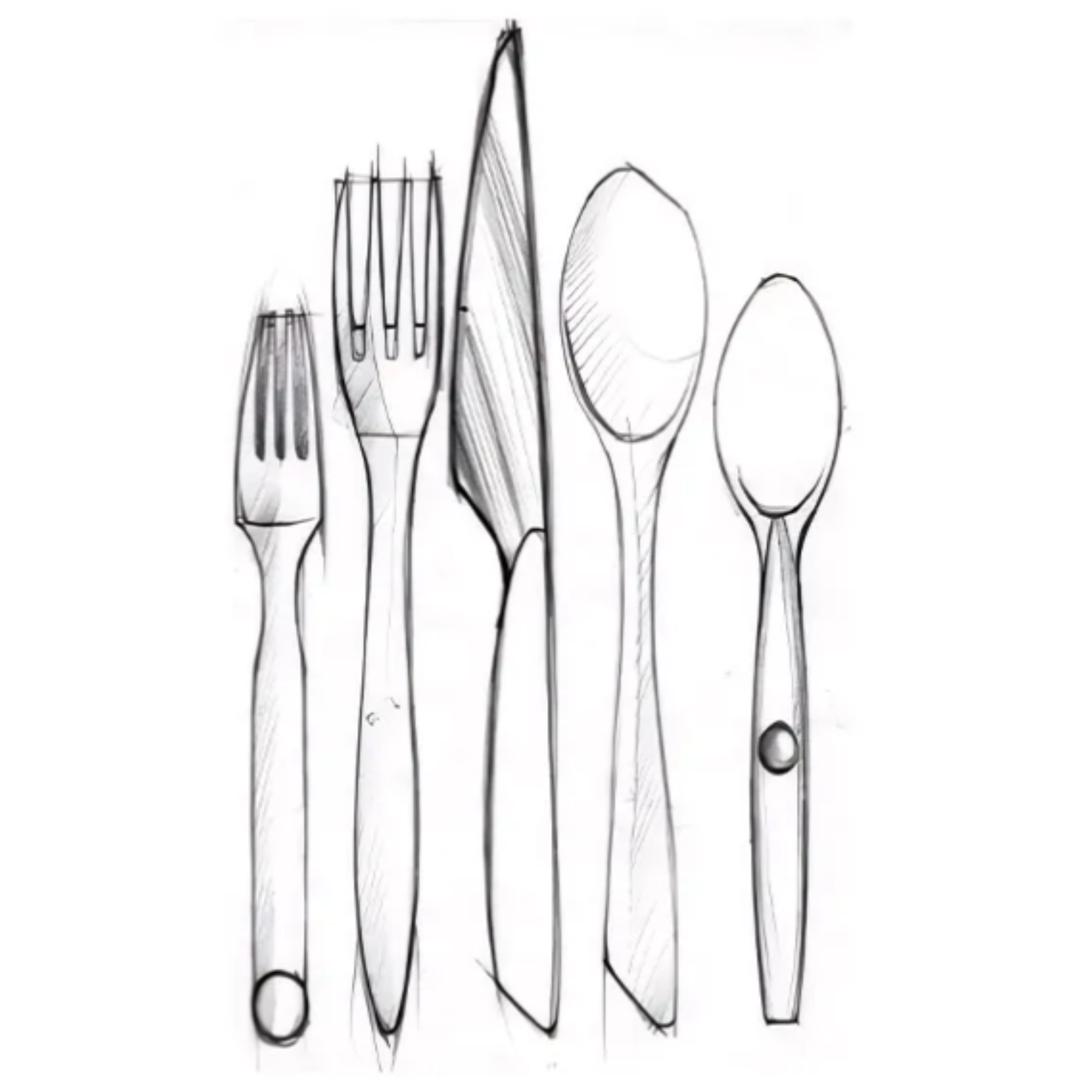
What Buyers Should Confirm Before Placing Large Flatware Orders
Choosing the right manufacturing partner can reduce the risk of inconsistency. Before placing a bulk order, buyers should consider several questions.
Can the Manufacturer Maintain the Same Product Standard for Repeat Orders?
For distributors and restaurant suppliers, the first order is only the beginning. Future repeat orders should match the original product as closely as possible.
Buyers should understand how the manufacturer records product specifications and manages repeat production.
Does the Manufacturer Have Experience With Custom Flatware Projects?
Custom products require stronger coordination between design, production, and quality requirements.
A manufacturer experienced in OEM and ODM projects can better understand how to transfer a design concept into stable production.
How Does the Manufacturer Handle Production Communication?
Clear communication before and during production helps prevent misunderstandings about product details, packaging, and final expectations.
For international buyers, this becomes especially important because production decisions often need to be confirmed remotely.
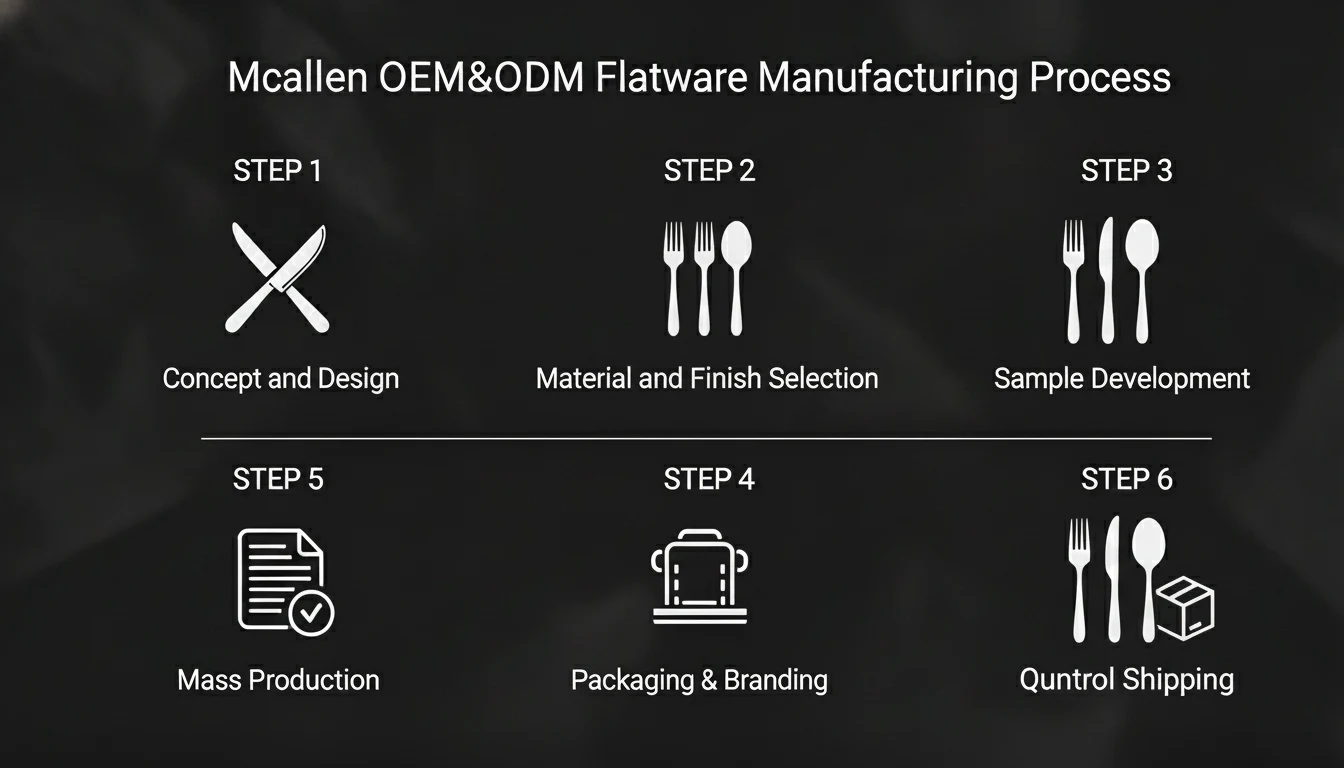
How Mcallen Supports Consistent Stainless Steel Flatware Production
For global distributors, restaurant suppliers, and hospitality businesses, selecting a suitable manufacturing partner is essential for maintaining product consistency.
Mcallen specializes in stainless steel flatware manufacturing, providing OEM and ODM solutions for buyers who require customized designs and bulk production support.
By combining product development experience with manufacturing capabilities, Mcallen helps customers turn approved designs into repeatable flatware products.
Whether buyers need standard wholesale flatware or customized stainless steel flatware collections, a structured manufacturing approach helps ensure stable quality across production batches and future orders.
Conclusion
For bulk flatware buyers, the challenge is not only finding a manufacturer that can create an attractive sample. The more important question is whether that manufacturer can reproduce the same result consistently during mass production.
A reliable stainless steel flatware manufacturer should have the ability to manage specifications, production processes, and communication throughout the entire order cycle.
By choosing a manufacturer with experience in OEM projects, customization, and bulk production, buyers can reduce uncertainty and build a more stable supply relationship.
Looking for a stainless steel flatware manufacturer for wholesale orders or customized projects? Contact Mcallen to discuss your product requirements, production expectations, and long-term cooperation needs.