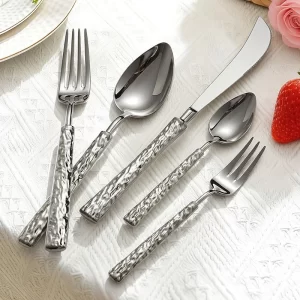
For international hospitality and restaurant buyers, optimizing purchasing flatware packaging design is a critical but often overlooked strategy to reduce the high logistics costs associated with importing stainless steel flatware in bulk. By refining packaging to maximize container efficiency and minimize shipping volume, businesses can significantly lower their total procurement expenses and reduce product damage without altering the flatware itself.
Why Packaging Plays a Key Role in Flatware Shipping Costs?
International freight charges are typically calculated based on weight or shipment volume. For products like flatware that are transported in bulk, the packaging structure directly affects three key cost factors.
Shipping volume.
If packaging leaves too much space inside cartons, the total shipment volume increases. This leads to higher freight costs, especially for large-scale bulk flatware export orders.
Shipment weight.
Overly thick or inefficient packaging materials can add unnecessary weight. When exporting thousands of units of restaurant flatware, even a small increase per carton can significantly raise overall logistics costs.
Transportation damage.
If flatware is not properly protected during long-distance transport, scratches or surface damage may occur. This can result in product replacement and additional operational costs.
For these reasons, many professional stainless steel cutlery set suppliers treat packaging optimization as a key part of their export strategy.

4 Packaging Strategies to Reduce Flatware Shipping Costs
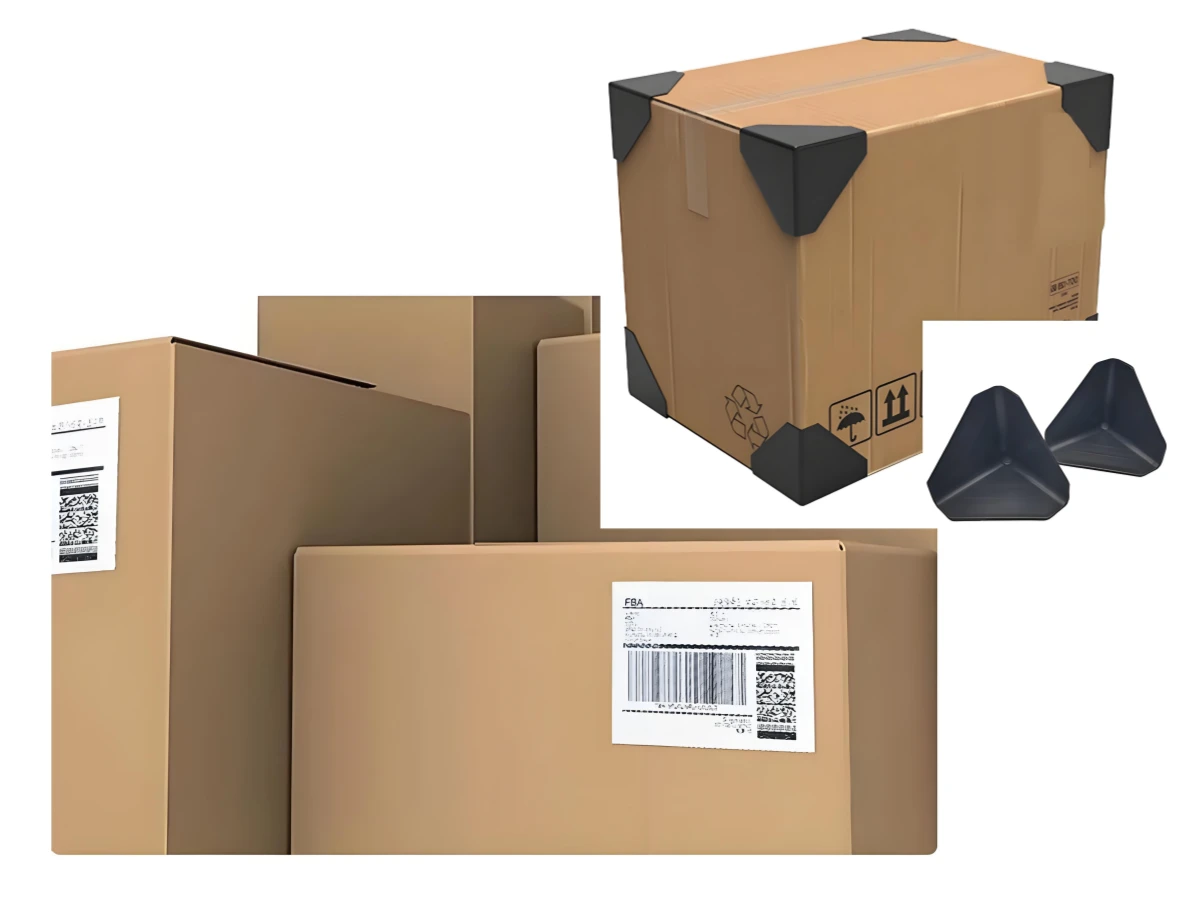
Optimize Carton Size to Improve Container Efficiency
Carton dimensions play a crucial role in maximizing container space. For restaurant flatware wholesale shipments, well-designed carton sizes allow products to be stacked more efficiently inside shipping containers.
- Reduce space inside cartons
- Design carton dimensions based on container size
- Increase the number of cartons per container
By improving container utilization, businesses can ship more products in a single container and reduce the per-unit flatware shipping cost.
Use Lightweight but Durable Packaging Materials
Selecting lightweight yet durable packaging materials helps protect products without adding unnecessary weight.
- High-strength corrugated cartons
- EPE foam inserts
- Efficient inner trays or separators
These materials maintain product safety while helping reduce the total shipment weight, which contributes to lower flatware export logistics costs.
Protect Flatware Surfaces to Prevent Transport Damage
For premium hospitality markets, the appearance of flatware is extremely important. Products such as gold flatware, mirror-polished flatware, or PVD-coated stainless steel flatware require extra protection during transportation.
- Individual protective sleeves
- Anti-scratch protective films
- Divider trays for each piece
These solutions help prevent friction and scratching during transit, reducing product damage and replacement costs.
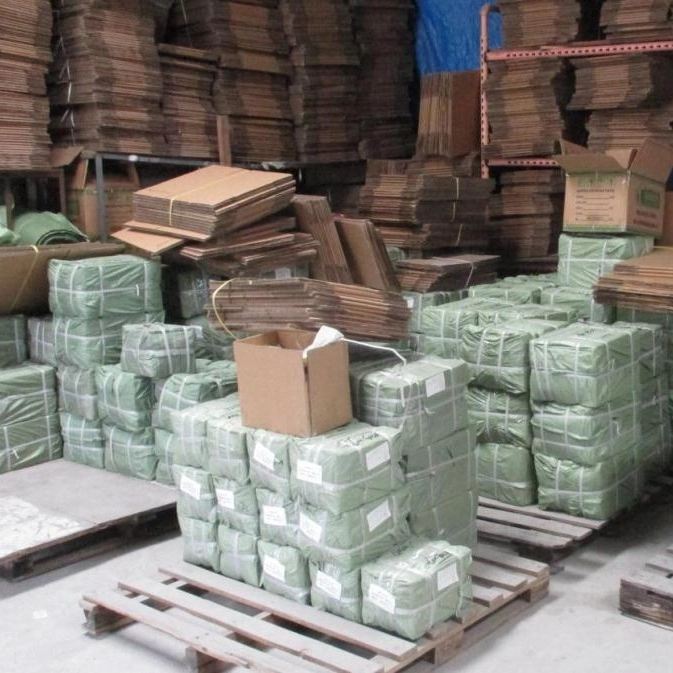
Improve Container Loading Strategies
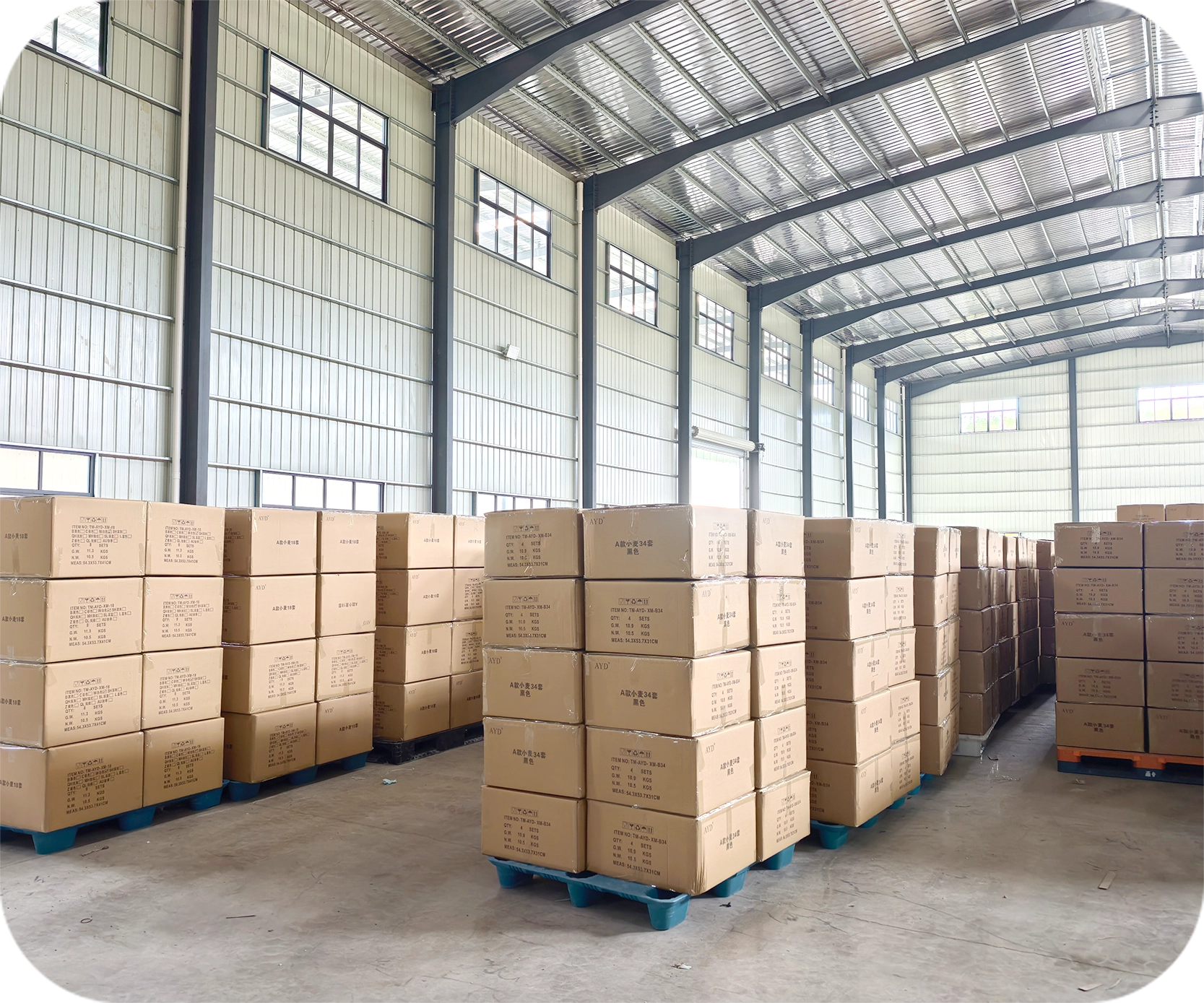
Beyond carton design, container loading strategy also affects shipping efficiency. By carefully planning pallet arrangements and carton stacking patterns, exporters can minimize unused space inside containers.
For distributors and hospitality suppliers importing stainless steel cutlery sets in bulk, these improvements can significantly lower long-term logistics expenses.
Procurement Tips: Consider Packaging When Choosing a Flatware Supplier
When sourcing flatware for restaurants, buyers often focus on design, material quality, and price. However, packaging and logistics capabilities should also be evaluated.
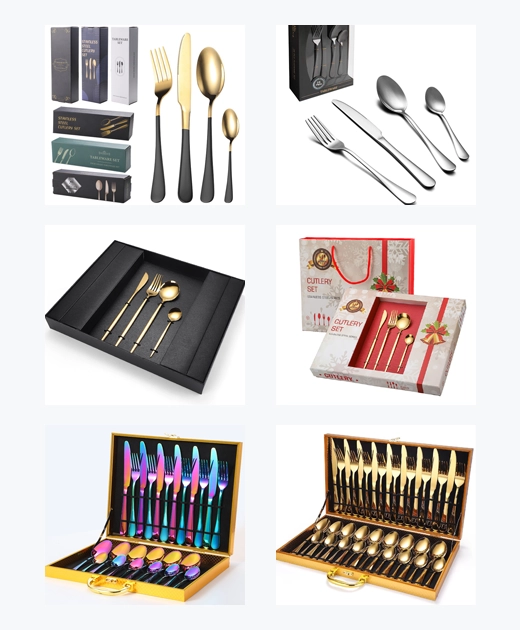
A professional stainless steel cutlery set manufacturer can usually provide:
- Efficient export packaging design
- Optimized container loading solutions
- Reliable international shipping preparation
These factors can directly influence the total cost of importing flatware.
How Mcallen Supports Efficient Stainless Steel Flatware Export Packaging
As an experienced stainless steel flatware manufacturer, Mcallen works with global buyers to improve packaging efficiency while maintaining product protection during international transport.
For many export projects, Mcallen develops optimized flatware packaging solutions that balance safety, efficiency, and shipping cost control. Packaging structures can be adjusted according to product design to reduce unnecessary space while maintaining strong protection.
Mcallen supports custom packaging solutions for hospitality brands, restaurant suppliers, and distributors, including branded packaging boxes and bulk transportation packaging.
These improvements allow international buyers to better control their flatware shipping costs while ensuring consistent product quality.
Conclusion
In modern global supply chains, logistics expenses have become a critical factor in procurement decisions. For businesses importing stainless steel flatware in bulk, packaging optimization can significantly reduce overall shipping costs.
By improving carton design, selecting lightweight materials, protecting flatware surfaces, and optimizing container loading strategies, companies can lower international shipping costs for stainless steel flatware while maintaining product safety.
For hospitality suppliers, restaurant groups, and distributors seeking stable sourcing, working with Mcallen, a leading stainless steel cutlery set manufacturer, can help build a more efficient and cost-effective supply chain.